Historical noteWritten for Viva-Almería in the mid-2000s. Prices, opening times and contact details are left out.
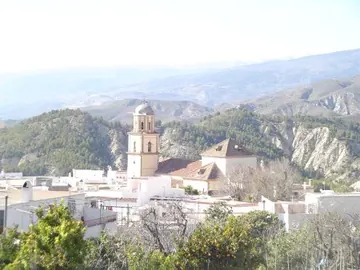
In the suburbs of Villavieja, 3km. from the town centre, are the remains of a roman amphitheatre and also a Moorish fortification, which from the 8th to the 14th century, protected a thriving town. In the suburb of Alcuadique to the east, are the ruins of Moorish baths. In 1987, the government of Andalucía declared Villavieja a Site of Cultural Interest.
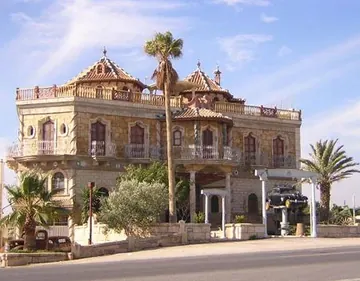
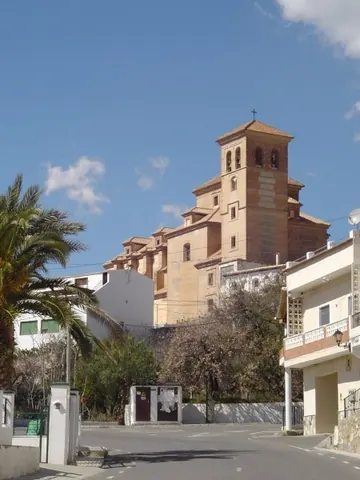
Unfortunately, the earthquake of 1840 destroyed much of the post-medieval architecture of this ‘new’ town but imposing, 19th century buildings, funded by the wealth from local lead-mining, have taken its place.
The abundance of water has always been crucial to Berja’s trade and prosperity. Springs and fountains abound, both in the town and in the surrounding countryside, where they irrigate the fields and orchards. The resulting grain, wine, oil, fruit and esparto grass, together with locally made paper, linen and cotton goods, are exported through the nearby port of Adra. During the last two centuries, more than thirty water-mills powered the town’s mills and of these one, the Molino del Perrillo, built in 1863 in the Calle del Agua, remains in use. The many fountains in the town are a reminder of the importance of water and visitors exploring Berja can follow a sign-posted route from one ornamental fountain to another.
About this page
Text and photograph from the original Viva-Almería guide to Berja, written in the mid-2000s. Edited for this site: 1 sentence with prices, opening times, contact or business details removed; details about shops and services moved to “At the time of writing”.
Earlier address: /berja_p9.html