Historical noteWritten for Viva-Almería in the mid-2000s. Prices, opening times and contact details are left out.
Prehistoric, Roman and Roman Christian remains have been found in the area, most famous of which are two small white marble statues representing the Good Shepherd dating from the 4th Century found amongst remains of Byzantine and Roman mosaics and coins. This can only mean that the church of Gádor was one of the first Christian-Roman ones in the Valley of Andarax. In the middle Ages, during the Arab domination, a system of irrigation was invented for the crops that has changed little over the centuries. For the present the cement factories have replaced the mines and only the furnaces of the sulphur mines still stand to remind people of the past.
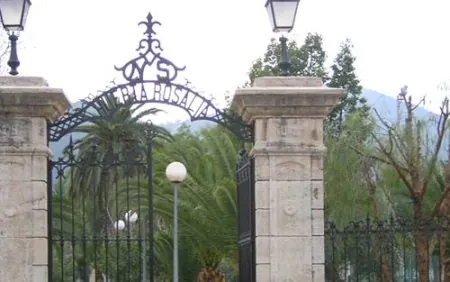
There is an archaeological site at Los Millares, a short drive away for people wishing to see more evidence of the ancient history of the area. In Gádor itself the Hermitage of the Holy Cross and Monument to the Immaculate Conception dominate the skyline. The church of the Virgin of the Rosary dates from the 16th Century and old Town Hall was once a granary.
The railway to Baza and Granada runs through Gádor and it is easy to reach the new dual carriageway that runs between Almería and Granada.
The patron saint of Gádor is the Virgin of the Rosary and the fiesta in her honour is celebrated from the 10th– 12th October every year.
The people of Gádor also have the tradition of celebrating the day of Saint Antonio on the 13th June.
About this page
Text and photograph from the original Viva-Almería guide to Gádor, written in the mid-2000s. Edited for this site: Spanish accents restored in place names; 1 sentence with prices, opening times, contact or business details removed.
Earlier address: /gador_p15.html