Historical noteWritten for Viva-Almería in the mid-2000s. Prices, opening times and contact details are left out.
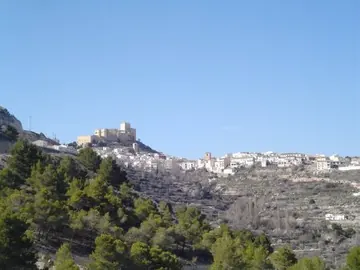
Remains have been found from all through the ages, right back to the Paleolithic and Neolithic. Macilaterice was the original name of the village, later changed to María in honour of the image found in the hill behind and at a short distance from the village is the beautiful Hermitage of the Virgen of the Cabaza (early 17th – 19th centuries) with its new bell tower (1990) and the older, 16th Century Hermitage of the Alfahuara.
María is a village rich in monuments, the most amazing being the cave painting in the Haza Cave, the Arabic Algibes in the Zalayos is well worth a visit and the parochial church of the Incarnation of the sixteeth century is one of the oldest of its kind in the whole region.
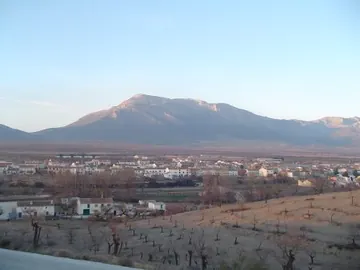
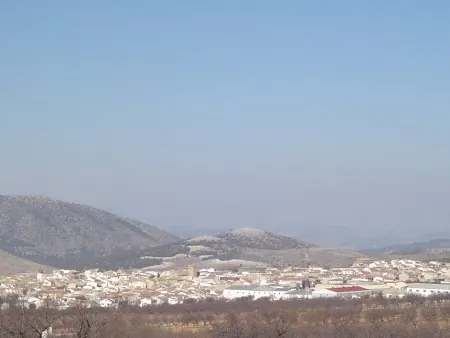
This town is considered the food store of cereals of Almería. The extensive plain is cultivated to grow cereals and it is impressive to see the contrast between these fields and the green of the mountains overlooking them.
From the viewpoint, the Mirador del Cerrico on the other side of town, the numerous watermills along the River María, can be seen. Here too is the Museum of Cereals and Almonds, displaying the tools and traditional working methods of this agricultural area.
Those who visit María will be delighted with beautiful views of the mountains, fine mountain drinking water, the purest air in the area, excellent game reserves (partridges, hares, rabbits, boars...), the production of unique artisan art as well as the best ham of the region, cured in the fresh mountain air.
It is indeed this mountain air and the harshness of the climate that attracts people to María. When the snow falls like a cloak over these mountains, thousands of visitors come from warmer local areas and fill the streets to enjoy the event, showing their children what snow is like for the first time. The summers are hot but shorter than nearer the coast and at this height the evenings are blissfully cooler.
María is the ideal place to stay for those who appreciate natural beauty and is a paradise for hikers. There are paths through the nearby pine woods that lead up to the high grey peaks of the mountains where many different types of flora and fauna can be seen.
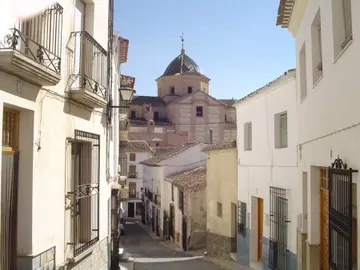
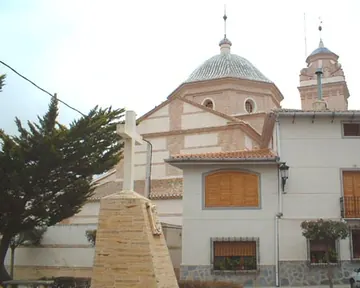
The history of the town can be seen in its buildings. The parish church of Nuestra Senora de la Encarnacion (1549 – 1556), in the pleasant central plaza, is an austere building. However, inside, the nave is decorated with Mudeja woodwork. The side chapels off the nave were built between the late 17th and 18th centuries, and the church was further enlarged in 1851. In 1901, the main façade was erected to prevent the roof over the choir falling onto the plaza.
About this page
Text and photograph from the original Viva-Almería guide to María, written in the mid-2000s. Edited for this site: Spanish accents restored in place names; 1 sentence with prices, opening times, contact or business details removed.
Earlier address: /maria_p2974.html