Historical noteWritten for Viva-Almería in the mid-2000s. Prices, opening times and contact details are left out.
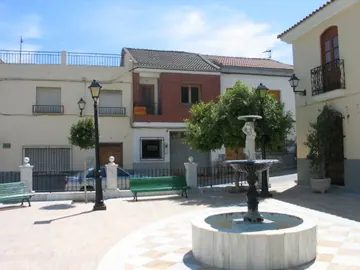
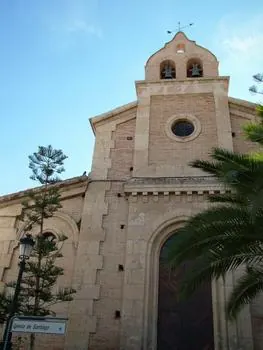
The parish church of San José is a simple building as are many of the houses, although stately in their solid way, with grilles and metal balustrades that give the larger houses a distinguished air.
The hard working people of this municipality have, for centuries, produced cereals, vegetables, almonds and olives.
It can be extremely chilly up here in the winter, but spring comes early and the bleakness of the vast spread of land down towards Huércal-Overa, is transformed, first by the spectacle of the almond blossom and then the beautiful flowers, which seem to spread around like endless carpets of colour.
Carnival time in February is famous in the province for the Dance of the Souls, a festivity that dates from the 17th Century and prompted by a squad of animators is one of the liveliest, participatory and creative in the area. This tradition, so faithfully kept for so long, is clearly a sign of the independence of Taberno, which has been an autonomous municipality since 1839.
Now that there are more benefits for farmers and the nearby reservoir should be able to ease the ever present problem of lack of rainfall, Taberno commences the new century with renewed optimism, willing to consolidate its simple but satisfactory way of life.
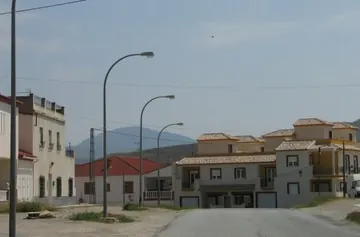
It seems as if, in this village on the slopes of the Madroño mountain with the Vélez behind and the Almanzora valley in front, the Mediterranean and the interior shake each others´ hand, thus marking the geographical and historic border between them peacefully and gently.
About this page
Text from the original Viva-Almería guide to Taberno, written in the mid-2000s. Edited for this site: 1 sentence with prices, opening times, contact or business details removed; details about shops and services moved to “At the time of writing”.
Earlier address: /taberno_p2948.html